You don’t have to miss the joy of Filipino traditions this Christmas. Celebrate Simbang Gabi in the Fraser Valley to experience the warmth, community, and devotion even if you’re now living in Canada.
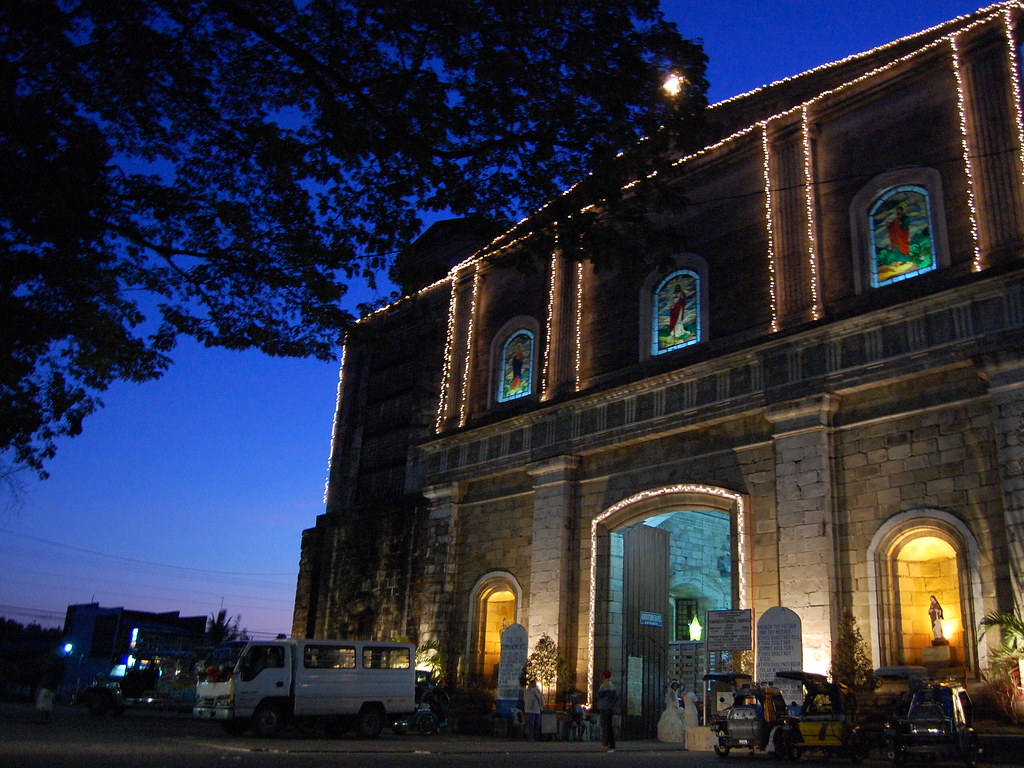
If you grew up in the Philippines, you probably remember what Simbang Gabi felt like long before you understood what it meant.
The cool dawn air.
The sound of church bells at 4:00 AM.
The long lines outside the parish, people wrapped in jackets and shawls but wide awake with excitement.
Vendors selling bibingka and puto bumbong on the side of the road.
Families walking together, some still half-asleep, others laughing like it’s a reunion before sunrise.
That’s the magic of Simbang Gabi. A nine-day novena of Masses leading up to Christmas. Rooted in Catholic faith. Surrounded by Filipino musical carols, smoky rice-cake breakfasts, and a deep sense of hope and community.
Simbang Gabi wasn’t just a novena.
It was the heartbeat of Filipino Christmas.
For many Filipinos now living in Canada, especially in the Fraser Valley, that tradition may feel distant, perhaps even lost. The bright but cold winter streets, the early dark evenings, new routines, different cultures… Christmas can feel like the lights and decorations. It’s beautiful, yes, but Christmas hits differently when you grew up with parol lanterns, overflowing families, and a December that smells like rice cakes.
That’s why celebrating Simbang Gabi in the Fraser Valley matters. It’s not just a Mass – it’s a bridge. A way to bring home.
Here’s how you can rediscover the Filipino Christmas spirit, even far from the Philippines and a list of local churches where you can join others doing exactly that.
What Simbang Gabi Looks Like Back Home
Traditionally in the Philippines, Simbang Gabi starts around December 16 (or sometimes December 15, with an anticipated Mass), and continues every day until December 24 — the night before Christmas Eve.
Masses are often very early in the morning — sometimes as early as 3:00–5:00 AM — because, historically, it allowed farmers to attend Mass before heading to the fields.
Churches are filled with soft candlelight or early dawn light;
Parol (star-shaped lanterns) may decorate the entrances;
Choirs sing Filipino Christmas hymns;
Prayers are said in Tagalog (or local dialects) and English;
And after Mass, families often queue for warm bibingka, puto bumbong, tsokolate or salabat, bundled in shawls or jackets against the cold dawn air.
But beyond ritual and routine, there’s something deeper: Simbang Gabi is a spiritual journey of hope and preparation. A time to ready your heart for Christmas — for love, for gratitude, for giving, and for remembering why we celebrate.
For many, completing all nine Masses is a sign of devotion — and there’s even a tradition that finishing the novena may grant a spiritual petition or prayer.
The Challenges of Being Filipino at Christmas in Canada
Living in Canada or the Fraser Valley — or anywhere outside the Philippines — can make Christmas feel different. And for many Filipino newcomers especially, those first few Decembers can feel… quiet. Lonely even.
- The bright lights and snow don’t replace parol lanterns.
- Holiday music in malls or stores may not include Tagalog carols.
- Family may be spread out, or far away.
- Old traditions can feel like memories, not lived daily anymore.
- Your children might never have experienced a dawn Mass, a bibingka queue, or the warm chaos of a Filipino Christmas parish.
You may still celebrate Christmas — tree, gift-giving, decorations, parties — but the Filipino Christmas heart might feel muted.
That’s why holding onto traditions is more than nostalgia. It’s identity. Comfort. Faith. Family
Why “Simbang Gabi in the Fraser Valley” Matters
Attending Simbang Gabi locally isn’t the same as back home. There may be no street vendors or early-morning crowds. But what remains is the reason why Simbang Gabi matters: faith, community, and belonging.
1. Reconnect with your roots
Hearing familiar prayers and Filipino hymns — even in a small parish — reconnects you to home. It’s a comforting reminder of where you come from.
2. Build community in a new home
As a Filipino in BC, you may find yourself part of smaller Filipino-Canadian circles. Joining Simbang Gabi is a chance to meet others like you, share stories, meals, and warmth.
3. Pass the tradition to the next generation
If you have kids born here, bringing them to Simbang Gabi gives them a piece of their heritage. They’ll grow up knowing what a Filipino Christmas felt like — not just through photos or stories, but by being part of it.
4. A calm, reflective way to prepare for Christmas
In the busyness of holiday shopping, decorating, and work, Simbang Gabi gives you a moment to pause — to pray, reflect, hope. To approach Christmas not just with gifts, but with gratitude and meaning.
5. Connect with faith and fellowship
The novena Masses — even if just one or two — bring together people from different parishes, different backgrounds, but shared faith and culture. It becomes a celebration of unity and belonging.
Where to Find Simbang Gabi in the Fraser Valley (2025-2026)
If you’re searching for Simbang Gabi in the Fraser Valley, here are several parishes that have announced novena Masses or have a history of hosting them (as of Nov 2025)
| Parish / Church | Location / What’s Known / Notes |
|---|---|
| St. Mary’s Parish, Chilliwack | This parish posted “Simbang Gabi 2025 – Nine-Day Christmas Novena Mass” on their Facebook page. |
| St. Joseph’s Parish, Mission | Their website lists a “Simbang Gabi Christmas Novena Masses” that they hosted in the past |
| St. Joseph’s Catholic Church, Langley | Their parish website lists “Simbang Gabi Novena Masses” from December 15–23, 2025 |
Note: Just because a parish isn’t on this list doesn’t mean they won’t have Simbang Gabi this year — sometimes announcements come late, or only on parish social media / bulletins.
For Filipinos living in Abbotsford, Mission, Chilliwack, Langley or anywhere in the Fraser Valley — these three parishes are among the easiest to reach and most likely to host Filipino-style novena Masses.
If you attend, it’s a good idea to confirm with the parish (by phone or email) a few weeks before mid-December to make sure the schedule is still active.
What to Expect — and How You Can Help Make It Feel Like Home
If you join a local “simbang gabi in the Fraser Valley,” here’s how you can get the most out of it — or even help make it feel more like the parol-lit nights back home:
🎄 Go with family or friends
Simbang Gabi is more than a Mass; it’s a shared experience. Going together — whether with immediate family or Filipino friends — makes it warm, familiar, communal.
❤️ Offer to help or volunteer
Parishes often appreciate help with organizing, setting up, or bringing food for a potluck. Your participation helps build that sense of community for everyone.
🍲 Bring Filipino food for after-Mass fellowship
Some parishes may organize potluck or shared meals after the final Mass. Bringing kakanin, pancit, lumpia, or even hot drinks like tsokolate or salabat can recreate that festive Christmas-morning feel even in cold December evenings.
✨ Bring a parol or lantern
Even a small LED-parol can make the church entrance feel festive, familiar, and homey. It’s a beautiful symbol — the Star of Bethlehem — and can spark memories for many.
🙏 Embrace the devotional meaning
Simbang Gabi isn’t only about tradition — it’s about spiritual preparation. Use the novena as a time to reflect, to hope, to give thanks, and to pray for your loved ones, family back home, and the new life you’re building here.
A Call to All Filipinos in the Fraser Valley: Make Simbang Gabi Our Own
If you’ve been missing the lights, the smells, the early-morning hush, the camaraderie… maybe what you need is not just Christmas decorations, but Christmas heart.
This year, why not search for “simbang gabi in the Fraser Valley,” pick one of the parishes above — or reach out to your nearest Catholic church — and be part of something bigger than nostalgia.
Invite your family. Invite your friends. Invite your kids. Help rebuild a small piece of home in a new land.
Because Christmas isn’t just a date — it’s a feeling. And community. And faith.
Let’s bring Simbang Gabi home.
Merry Christmas!